

"I'll do it tomorrow." Three words that have launched a thousand unfinished to-do lists, and sunk many a wonderful hope and dream. No one enjoys when they’re in a procrastination cycle, and weirdly we tend to think of procrastination as a character flaw. A lack of discipline. A motivational deficit.
But trust us, procrastination is rarely about laziness.
What if it's less about avoiding the task, and more about avoiding the feelings the task brings up?
Often procrastination is emotional self-protection in disguise. And yes, in some cases, chronic procrastination can be a sign that something deeper (e.g. depression, ADHD) is asking for our attention.
Procrastination Isn't Laziness. It's Emotional Logistics.
Laziness is often painted as not wanting to do anything. Procrastination, however, usually involves desperately wanting something done while somehow instead reorganising your pantry, answering emails from 2019, and researching whether mushrooms can make music (worth a google).
Procrastination is better understood as an ongoing struggle to reassure and soothe yourself, rather than a failure of productivity. It’s actually a very effective emotional coping strategy
There's also an important difference between occasionally putting something off and chronic procrastination. We all delay tasks sometimes. Chronic procrastination is different. It's persistent, disruptive, and begins affecting work, relationships, health, and our sense of self.
So... Is Procrastination a Sign of Depression?
The short answer? Sometimes.
Not always. But often enough that it's worth paying attention.
Sometimes when we are depressed it can look like unopened emails, half-finished projects, and laundry that has become furniture.
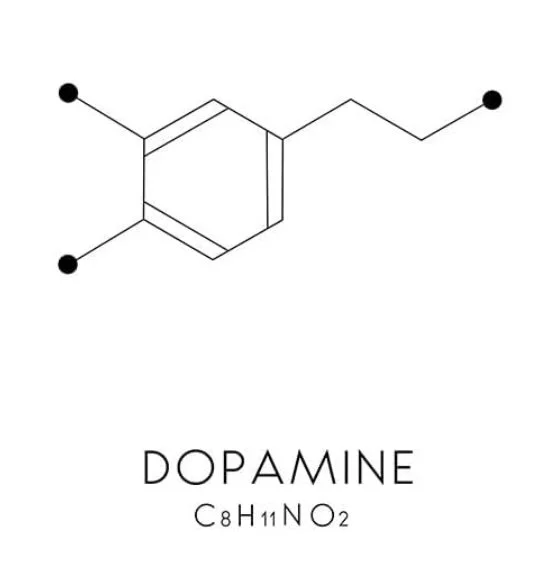
Research has shown that depression is associated with changes in dopamine pathways, the brain's reward system. Dopamine isn't simply the "feel good" chemical we've been led to believe. It's more accurately the "motivation to pursue" chemical. It helps us anticipate reward, initiate action and sustain effort.
When dopamine signalling is disrupted, everyday tasks lose their sense of momentum. Things that once felt manageable suddenly require enormous mental effort. Starting becomes the hardest part.
So when someone with depression procrastinates, it's often not because they don't care. It's because their brain has stopped expecting that effort will feel worthwhile. That's a very different problem than laziness.
Another reason why procrastination can be a part of depression is down to lower self worth. Beginning something can require confronting self-doubt and fear of failure. As Esther Perel often reminds us, we rarely avoid reality itself. We avoid the emotions attached to it.
The report isn't scary.
Feeling inadequate might be.
The phone call isn't difficult.
The possibility of rejection is.
If you’re struggling with depression you’re already struggling to feel positive about the future and yourself, so giving something a go becomes more scary.
The Cycle Nobody Volunteers For
What is also tricky is putting something off feels really good!
It’s self re-inforcing. For approximately seven minutes.
There's relief in saying "I'll deal with it later." Our nervous system gets a brief holiday from discomfort. But later inevitably is ends up carrying even more discomfort.
It's one of nature’s least entertaining feedback loops.
Over time, chronic procrastination has been associated with increased stress, poorer sleep, lower performance, strained relationships, and declining wellbeing. If depression is already present, this cycle can reinforce it.
Why It's Time to Stop Calling Yourself Lazy
There's a difference between needing a better planner and needing support.
If procrastination has become your default setting rather than an occasional visitor, it deserves curiosity instead of criticism.
Especially if it's accompanied by:
persistent low mood
loss of interest in things you once enjoyed
ongoing fatigue
feelings of hopelessness
difficulty concentrating
significant disruption to work, study, or relationships
Depression isn't the only possibility. ADHD, anxiety, perfectionism, burnout, and other mental health considerations can all contribute to chronic procrastination. A mental health professional can help you untangle what's really driving the behaviour, rather than simply treating the symptom.
Escaping the Productivity Shame Spiral
We all love a good productivity hack.
Colour-coded calendars. Five-second rules. Apps. Morning routines involving ice baths and gratitude journals before sunrise.
Some of those tools are genuinely helpful. But if procrastination is rooted in depression, shame, or emotional avoidance, no app will solve what is fundamentally an emotional problem. Real change is going to begin with changing your relationship with discomfort.
Acceptance and Commitment Therapy (ACT) teaches us that we don't need to eliminate anxiety or self-doubt before taking action. Instead of waiting to feel motivated, ACT encourages us to take small, meaningful steps that align with our values, even when discomfort is along for the ride. Motivation often follows action, not the other way around.
Dialectical Behaviour Therapy (DBT) offers a similar lesson. Rather than escaping difficult emotions through avoidance, it helps us build the skills to tolerate them. Mindfulness, emotional regulation, and distress tolerance allow us to stay present long enough to choose our next step, instead of letting our emotions choose for us.
The goal isn't to become fearless.
It's to stop letting fear make your decisions.
If procrastination feels persistent, overwhelming, or is accompanied by low mood, hopelessness, fatigue, or a loss of interest in life, it may be signalling something deeper. Depression, anxiety, ADHD, and burnout can all make it significantly harder to initiate tasks, not because you lack discipline, but because your brain is actually working against you.
You don't have to figure that out alone. Therapy isn't about teaching you to manage your calendar better. It's about understanding why starting feels so difficult in the first place, and getting to the root of what is standing in your way.
Perhaps one of the better questions to ask isn't, "Why am I so lazy?"
It's, "What is my procrastination trying to protect me from?"
And as always, reach out to our therapists when you need a hand to get out of that negative spiral. It’s genuinely an honour to help.